
Yacht Harbors: A Complete Guide to Marinas in Turkey
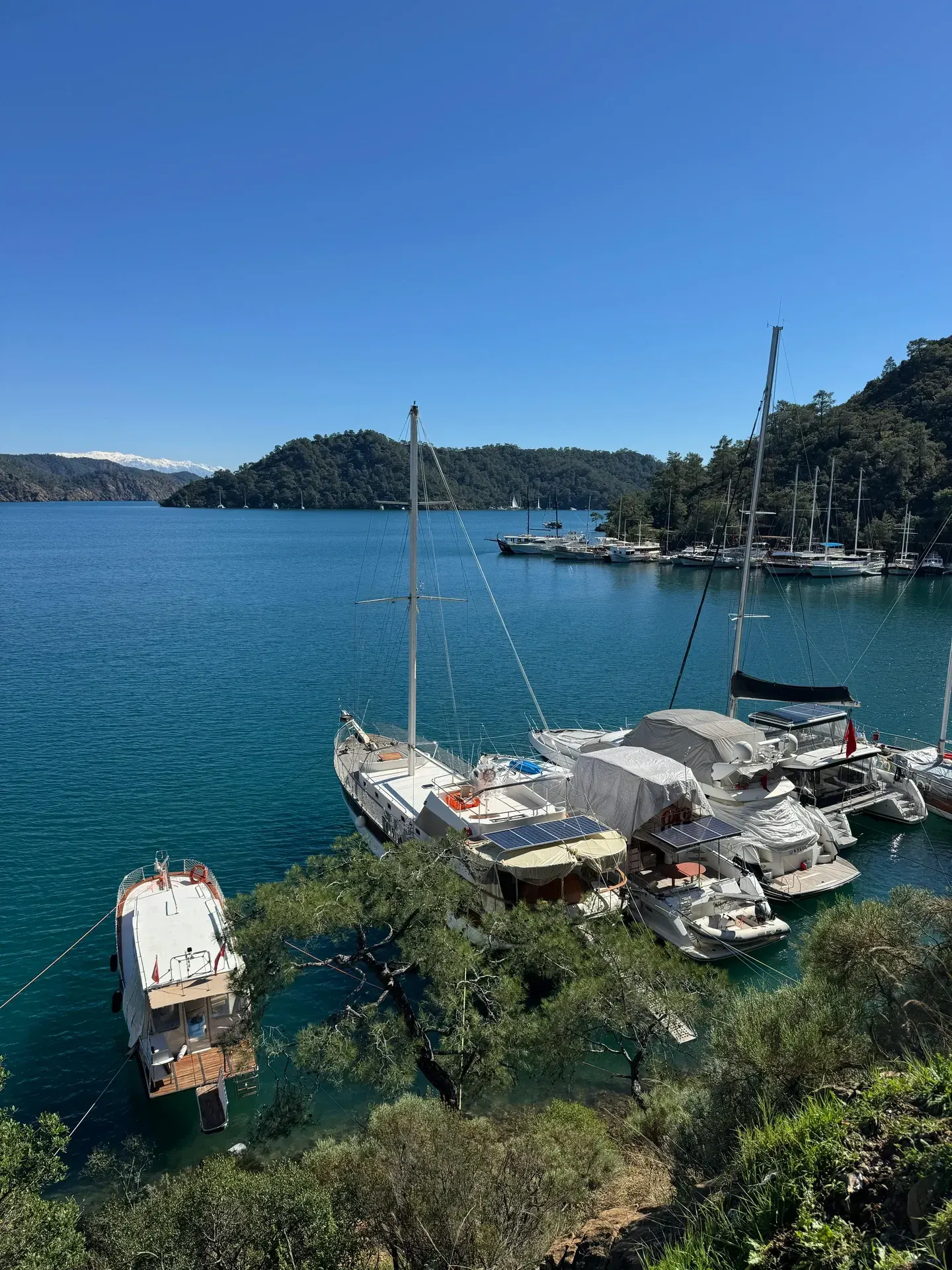
A marina is a coastal facility built for tourism that provides mooring for private boats and yachts alongside electricity–water, fuel, haul-out and technical service facilities. A commercial port carries cargo and passengers; a marina serves only pleasure craft. According to the list of marinas published by the General Directorate of Shipyards and Coastal Structures under the Ministry of Transport and Infrastructure, there are 61 operating marinas in Turkey; the total mooring capacity of these facilities is 18,261 boats at sea and 6,467 boats on land. In addition, 21 more marinas are under construction or in the project phase, and will add 7,166 more sea moorings once completed. By sea mooring capacity, the largest facility is Setur Kalamış & Fenerbahçe Marina (1,290); when land capacity is also counted, Marmaris Yat Marina tops the list with 1,950 boats.
Below is a region-by-region list of marinas, capacities, the criteria to consider when choosing a marina, and which port will suit you on blue voyage routes.
What is a marina, and how is it different from a port?
Confusion is common in Turkish because the word "liman" covers both the commercial terminal where cargo ships dock and the marina that houses boats. The difference comes from the type of vessel the facility serves.
A commercial port has structures like cranes, container yards, grain silos and passenger terminals. In a marina, the piers are divided according to boat length, each mooring point has an electricity and fresh water outlet, and the facility has a fuel station, a haul-out area (travel lift), a waste reception unit and, often, an office for customs–passport procedures.
There are also fishing shelters: these are technically refuge structures and do not offer marina services. In some coastal districts, pleasure boats moor at shelters, but the electricity, water and waste reception infrastructure is not up to marina standard.
What services does a marina offer?
- Mooring: A spot separated according to boat length, using a mooring buoy or finger pier system.
- Electricity and water: Outlets on the pier; three-phase for large yachts.
- Fuel: A fuel station within or immediately adjacent to the facility.
- Haul-out and technical service: The travel lift capacity determines what size of boat the marina can serve.
- Waste reception: Discharge of bilge water, waste oil and sewage. Waste delivery from pleasure boats is recorded in Turkey.
- Customs and passport: Only at marinas with "port of entry–exit" status. This is critical if you're heading abroad.
- Security, cameras, fire systems and staff throughout the season.
How many marinas are there in Turkey?
The table in the Ministry's list consists of two sections:
| Status | Number of facilities | Sea capacity | Land capacity |
|---|---|---|---|
| Operating marinas | 61 | 18,261 | 6,467 |
| Under construction / planned | 21 | 7,166 | 2,496 |
This number is not fixed. The list covers both large-scale private marinas and small marinas operated by municipalities; boutique facilities with a capacity of 10–50 boats are in the same table. The figures change as new marinas come online and existing ones add piers, so it's worth checking the current list when planning.
The geographic distribution is uneven: the vast majority of capacity is concentrated on the Aegean and Mediterranean coasts. The only operating marina on the Black Sea is in Trabzon. In the Marmara region, facilities are mainly clustered around Istanbul.
What does the map of Turkey's marinas look like?
Following the coast from west to east, facilities gather into four clusters:
- Marmara cluster: Around Istanbul. High-capacity facilities focused on annual mooring; single points in Çanakkale and Yalova.
- Aegean cluster: Starting from Ayvalık and running through Çeşme, Kuşadası and Didim down to the Bodrum peninsula. Most summer route starting points are here.
- Muğla–Western Mediterranean cluster: The Bodrum, Gökova, Marmaris, Göcek, Fethiye and Kaş line. Turkey's busiest charter region; the marinas are within a day's sail of each other.
- Eastern Mediterranean cluster: Antalya, Kemer, Alanya and Mersin. Convenient for wintering and long-route boats.
The Black Sea falls outside this map: the only operating facility is in Trabzon.
Marinas by region
Istanbul and Marmara marinas
Istanbul is Turkey's only city with the highest mooring capacity. Facilities along the Bosphorus and Marmara coast operate mainly on annual mooring; transit boat traffic along the route in summer is not as heavy as in the Aegean and Mediterranean.
| Marina | City | Sea | Land |
|---|---|---|---|
| Setur Kalamış & Fenerbahçe Marina | Istanbul | 1,290 | 220 |
| Pendik Marina (Marintürk Cityport) | Istanbul | 752 | 70 |
| Tuzla Marina (Viaport) | Istanbul | 750 | 70 |
| Ataköy Marina | Istanbul | 700 | 100 |
| West İstanbul Marin | Istanbul | 600 | 300 |
| Güzelce Marina | Istanbul | 250 | 120 |
| Marina İstanbul (Büyükçekmece) | Istanbul | 240 | 80 |
| Tarabya İspark | Istanbul | 210 | — |
| İstinye İspark | Istanbul | 180 | — |
| Setur Yalova Marina | Yalova | 240 | 80 |
| Çanakkale Municipal Marina | Çanakkale | 120 | — |
| Bozcaada Marina | Çanakkale | 30 | — |
Tekirdağ Marina is also included in the Ministry's list, but not in the section for operating facilities: the project, with a capacity of 200 at sea + 30 on land, appears to be in the tender phase. Similarly, marina projects for Silivri, Haliç and Kumburgaz are also on record.
Aegean: Izmir, Aydın and northern Aegean
| Marina | Location | Sea | Land |
|---|---|---|---|
| D-Marin Didim | Aydın | 580 | 600 |
| Teos Marina | Izmir | 510 | 80 |
| Setur Kuşadası Marina | Aydın | 450 | 150 |
| IC Çeşme Marina | Izmir | 400 | 100 |
| Alaçatı Marina | Izmir | 300 | — |
| Levent Marina | Izmir | 250 | 30 |
| Burhaniye Marina | Balıkesir | 250 | 50 |
| Setur Ayvalık Marina | Balıkesir | 200 | 70 |
| Setur Altınyunus Marina | Izmir | 180 | 60 |
| Foça Marina | Izmir | 150 | — |
The northern Aegean route (Ayvalık–Foça–Çeşme) is famous in summer for its meltemi wind and is a line preferred mostly by sailboats. Kuşadası and Didim, meanwhile, are used as entry–exit points when crossing to the Greek islands.
Bodrum peninsula marinas
Bodrum alone hosts four large marinas and several boutique facilities. There is a marked difference in wind and crowds between the north of the peninsula (Yalıkavak, Türkbükü) and the south (central Bodrum, Turgutreis).
| Marina | Sea | Land |
|---|---|---|
| Palmarina Bodrum (Yalıkavak) | 710 | 140 |
| D-Marin Turgutreis | 550 | 150 |
| Milta Bodrum Marina | 425 | 50 |
| Bodrum Municipal Port Authority | 300 | — |
| Port Atami (Bodrum) | 40 | — |
| Alacatur Bodrum | 40 | 12 |
The Yalıkavak side is the center of superyacht traffic; its piers are set up for large boats, with a cluster of restaurants and shops around it. Turgutreis faces west, toward the sunset and Kos, and is a practical starting point for those heading out on the Greek islands route. Milta Bodrum Marina, meanwhile, sits right next to the castle, in the heart of the city. We've covered the bays around Bodrum and route alternatives in detail on our Bodrum destination page; for day-trip options, see our Bodrum boat tour guide.
Göcek and Fethiye marinas
Göcek is the settlement with Turkey's densest marina cluster relative to its size. There are six separate facilities within the bay, all within a fifteen-minute cruise of each other.
| Marina | Location | Sea | Land |
|---|---|---|---|
| Fethiye Municipal Göcek Port Facility | Göcek | 490 | 250 |
| Ece Marina | Fethiye | 460 | — |
| D-Marin Göcek | Göcek | 380 | 150 |
| Marintürk Göcek Village Port | Göcek | 220 | 200 |
| Club Marina | Göcek | 200 | — |
| Fethiye Municipal Pier and Quay | Fethiye | 150 | — |
| Marintürk Exclusive Göcek | Göcek | 100 | — |
| Skopea Marina | Göcek | 85 | — |
Göcek's appeal comes more from its location than from the marinas themselves: the Gulf of Fethiye and the Twelve Islands region, thanks to their sheltered bays, make for a comfortable route even for guests without open-sea experience. Most charter boats start their season from here. If you're not familiar with the area, our article on where Göcek is and how to get there covers transportation, while the Göcek boat rental guide covers route and boat selection. For the Fethiye side, the Fethiye yacht rental guide and the Fethiye destination page go into more detail.
Marmaris, Datça and Gökova
| Marina | Location | Sea | Land |
|---|---|---|---|
| Marmaris Yat Marina (Adaköy) | Marmaris | 750 | 1,200 |
| Netsel Marina | Marmaris | 720 | 130 |
| Gökova Ören Marina | Muğla | 420 | 130 |
| Martı Marina | Marmaris | 380 | 100 |
| Güllük Marina (Egesu) | Muğla | 300 | — |
| Port Iasos Marina | Muğla | 150 | — |
| Pupa Yat Marina | Marmaris | 50 | — |
| Albatros Marina | Marmaris | 40 | — |
| Yatch Otel Club & Marina | Marmaris | 32 | — |
| Global Sailing Boutique Marinette | Marmaris | 30 | — |
| Kumlubükü Marina | Marmaris | 10 | — |
Marmaris's land capacity is unmatched in Turkey: Yat Marina alone can house 1,200 boats on land, which has turned the region into a wintering and maintenance hub. Netsel, meanwhile, sits in the city center, within walking distance of the bazaar. There is also a marina project for Datça with a sea capacity of 500 on the Ministry's list. For route planning, the Marmaris yacht rental guide and the Marmaris destination page should do the job.
Mediterranean: Antalya, Kaş, Finike, Alanya, Mersin
| Marina | Location | Sea | Land |
|---|---|---|---|
| Mersin Marina | Mersin | 500 | 500 |
| Setur Kaş Marina | Antalya | 472 | 160 |
| Setur Finike Marina | Antalya | 320 | 150 |
| Alanya Marina | Antalya | 287 | 160 |
| Setur Antalya Marina | Antalya | 235 | 150 |
| Kemer Türkiz Marina (G-Marina) | Antalya | 230 | 140 |
| Kumkuyu Marina | Mersin | 250 | 200 |
| Ant Marin | Antalya | 120 | 100 |
| Kaş Municipal Port | Antalya | 100 | — |
| Kaleiçi Marina | Antalya | 65 | — |
| Kalkan Municipal Port | Antalya | 50 | — |
Those looking for a marina in Antalya have three distinct options, each suited to a different purpose: Kaleiçi is a small marina at the foot of the historic city walls, Setur Antalya Marina is a fully equipped facility on the edge of the city, and Türkiz in Kemer is the eastern end of the Lycian route. Finike and Kaş are popular among long-route boats looking for winter mooring.
Black Sea
On the Ministry's list of operating facilities, the only marina on the Black Sea coast is Trabzon Marina (175 at sea, 50 on land). No facility with marina status appears on the list in cities like Samsun, Sinop or Ordu; pleasure boats on this coast generally use fishing shelters. This is the main reason yacht tourism infrastructure on the Black Sea lags far behind the Aegean–Mediterranean line.
Which is Turkey's largest marina?
The answer to this question depends on which capacity you count.
Top five by sea mooring capacity:
- Setur Kalamış & Fenerbahçe Marina — 1,290
- Pendik Marina (Marintürk Cityport) — 752
- Marmaris Yat Marina — 750
- Tuzla Marina (Viaport) — 750
- Netsel Marina — 720
Top three by combined sea + land total:
- Marmaris Yat Marina — 1,950
- Setur Kalamış & Fenerbahçe Marina — 1,510
- D-Marin Didim — 1,180
So the title of "largest" belongs to Kalamış at sea, and to Marmaris when wintering capacity is factored in. Physical size doesn't always mean the best option for a boat owner; what really matters is whether the facility suits your boat and your route.
What should you look for when choosing a marina?
Maximum boat length and draft. Each marina's accepted maximum length and draft differ. For yachts over 40 meters, the list of options narrows quickly.
Port of entry–exit status. If you're crossing to the Greek islands, you need to depart from a marina where customs and passport procedures can be carried out. Bodrum, Marmaris, Fethiye, Kuşadası and Kaş are commonly used points for this.
Haul-out capacity. If you're planning to winter or do maintenance on land, the travel lift's tonnage is the deciding factor.
Shelter. Which direction the marina is exposed to wind from matters, especially in the Aegean where the meltemi wind picks up in the afternoon.
Transportation. Guests' arrival and departure is directly tied to distance from the airport. Marinas around Dalaman, Bodrum–Milas and Antalya airports are therefore advantageous for charters.
Seasonal density. In July–August, finding transit space at popular marinas becomes difficult; booking in advance is necessary.
What you need to know when docking at a marina
Notify by radio first. Every marina has its own VHF channel, and these channels are published in the Chamber of Shipping's marina list. As you approach, calling the marina to find out the available space and which pier has been assigned to you is the most practical step before starting to maneuver in a crowded basin.
Marinero assistance is standard. Most marinas in Turkey have staff who help with docking from a boat or the pier. On piers with a mooring buoy system, they'll hand you the line.
Check-in paperwork. This varies by facility, but boat documents, insurance policy and captain's certificate of competency are generally required. For foreign-flagged boats, transit log and passport procedures are also carried out during check-in.
Waste delivery is recorded. Delivery of bilge water, waste oil and sewage from pleasure boats is tied to a tracking system in Turkey; marinas provide waste reception services within this framework. This is exactly what should not be discharged into the sea while anchored in a bay.
A guaranteed spot comes with a reservation. In July–August, transit mooring space at popular marinas is limited. If you're planning to spend a night at a marina on your route, reserve a spot in advance.
Marina, bay or town quay: where to spend the night on route?
On the Turkish coast, most nights of a week-long route are spent not at a marina but in a bay. Here's how the three options differ:
| Marina | Bay (at anchor) | Town quay | |
|---|---|---|---|
| Electricity–water | Available | Not available (generator and tanks) | Usually limited |
| Going ashore | From the pier | By dinghy or a bay restaurant's pier | Direct |
| Fee | Mooring tariff | Usually free; expected to dine if mooring at a restaurant's pier | Municipal tariff |
| Wind protection | Highest | Depends on the bay's orientation | Variable |
| Noise and crowds | Moderate | Lowest | Highest |
In practice, a typical week is structured like this: departure from the marina, five to six nights in bays, a mid-route stop at a marina or town quay for supplies and fresh water, and a return to the departure port on the last night. For guests who want to avoid crowds, minimizing the number of nights spent at a marina generally makes for a more enjoyable route.
How are marina prices determined?
Since mooring fees vary from marina to marina and by season, giving a single figure would be misleading. The variables that determine price are:
- Boat length and beam. Tariffs are generally set per meter or square meter; catamarans are charged more due to their beam.
- Contract duration. Daily transit mooring is significantly more expensive per meter than monthly and annual contracts.
- Season. Summer tariffs are higher than winter tariffs.
- Location and facility level. There's a considerable difference between marinas with superyacht infrastructure and a municipally operated marina.
- Additional items. Electricity–water is billed via meter, and haul-out and land storage are billed separately.
For a current figure, you need to check the relevant marina's own published tariff; marinas update their price lists at the start of the season. If you're curious how operating expenses like mooring and fuel work on a chartered boat, we explained the logic of this calculation in our article on what APA is in yacht charter.
Marina use on blue voyage routes
For most guests setting off on a charter boat, the marina is where the route starts and ends; the nights in between are usually spent anchored in bays. Since bay culture is strong on the Turkish coast, two to three marina stops are normal on a week-long route: one for departure, one for restocking supplies and fuel, and one for the return.
Most of our routes depart from Bodrum, Göcek, Fethiye and Marmaris. Since which port you start from determines which region you'll visit, this is actually the decision that needs to be made before choosing a boat. You can find the logic of our routes on our blue voyage page, and where you can go bay by bay in the destinations section.
There are three separate options depending on boat type: for renting the whole boat to yourself, private yacht charter; for cabin-based participation, cabin charter; and for a single day at sea, daily boat tours. If you'd like to decide on your route and marina preference together, you can get in touch with us.
Frequently asked questions
How many marinas are there in Turkey?
The Ministry of Transport and Infrastructure's marina list includes 61 operating facilities. Their total mooring capacity is 18,261 boats at sea and 6,467 boats on land. In addition, 21 marinas are under construction or in the project phase.
Which is Turkey's largest marina?
By sea mooring capacity, it's Setur Kalamış & Fenerbahçe Marina (1,290 boats). When land capacity is added, Marmaris Yat Marina becomes the largest facility with 1,950 boats.
What is a marina?
A coastal facility built for tourism where private boats and yachts moor, offering electricity–water, fuel, haul-out, technical service and waste reception facilities together. It differs both from a commercial port, which handles cargo and passenger transport, and from a fishing shelter, which is intended only as a refuge.
How many boats are there in Turkey?
There isn't a single, regularly published public figure for the number of private boats; scale in the sector is generally discussed in terms of marina capacity. The total mooring capacity in the Ministry's list is 18,261 boats at sea and 6,467 on land — that is, the upper limit the infrastructure can accommodate.
Is there a marina in Antalya?
Yes, more than one. Setur Antalya Marina, Kaleiçi Marina and Ant Marin are around the city; Türkiz Marina (G-Marina) is in Kemer, Finike and Kaş marinas are to the west, and Alanya marinas are to the east.
Is there a marina in Samsun?
Samsun does not appear on the Ministry's list of operating marinas. The only marina appearing on the list along the Black Sea coast is Trabzon Marina.
Is Tekirdağ Marina operational?
Tekirdağ Marina is not among the operating facilities on the Ministry's list; the project, with a capacity of 200 at sea + 30 on land, appears to be in the tender phase.
How much is the marina mooring fee?
There is no fixed figure, as it varies by boat length, contract duration and season. Daily transit mooring is the most expensive option per meter, an annual contract the cheapest; electricity and water are generally billed separately via meter. For a current tariff, you need to check the relevant marina's own published list.
Which marina do you depart from for the Greek islands?
From marinas with port of entry–exit status where customs and passport procedures can be carried out. In the Aegean, Bodrum, Marmaris, Fethiye, Kuşadası and Kaş are commonly used for this purpose.
Capacity and facility figures are based on the list of marinas published by the General Directorate of Shipyards and Coastal Structures under the Ministry of Transport and Infrastructure. Figures may change as new facilities come online.
_1600.webp?alt=media)
_1600.webp?alt=media)
_1600.webp?alt=media)