Bodrum, Turkey: Getting There, Things to Do, Where Boats Anchor
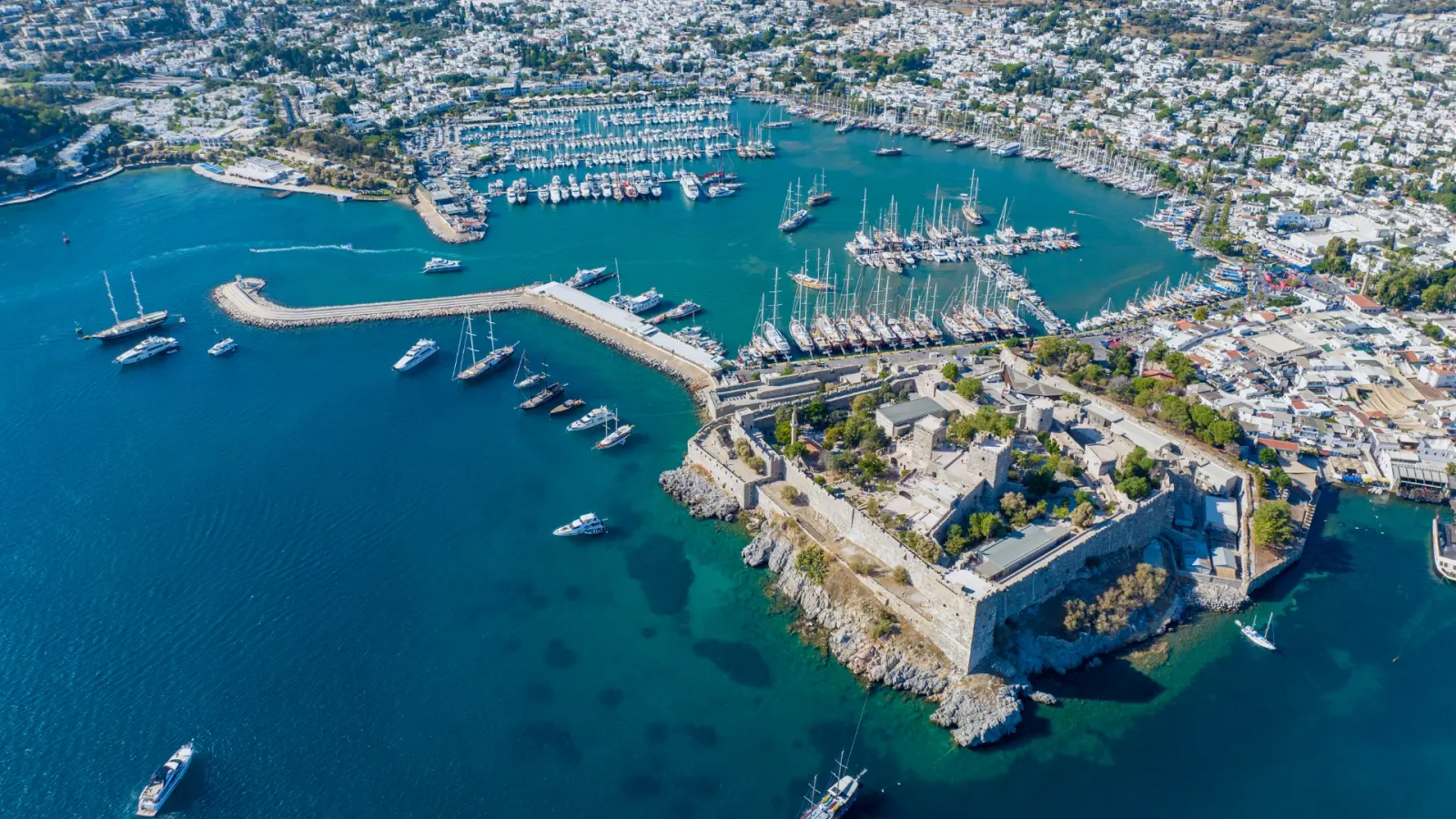
Bodrum is the white-and-blue harbour town on the southern shore of a peninsula on Turkey's south-western Aegean coast. It was ancient Halicarnassus, home of one of the Seven Wonders of the World; it is where the wooden gulet took its modern shape; and it is the place where the Turkish “Blue Voyage” began. Today it is also one of Turkey's best-known summer destinations, with a castle on the harbour, a string of very different villages around the peninsula, and the Greek island of Kos on the horizon.
Short answer: Bodrum is in Muğla province in south-western Turkey, on the southern shore of the Bodrum peninsula, between the Gulf of Gökova and the Gulf of Güllük. The nearest airport is Milas–Bodrum (BJV). The main season runs from May to October, and the town is the most popular starting point for gulet charters from Bodrum into the Gulf of Gökova and over to the Greek islands.
Where Is Bodrum?
Bodrum is a district of Muğla province, on Turkey's Aegean coast. The Bodrum peninsula juts west into the Aegean, with the Gulf of Güllük to the north and the long, deep Gulf of Gökova to the south-east. Kos lies just across the water to the south-west, so close that Greek and Turkish coasts frame the same view.
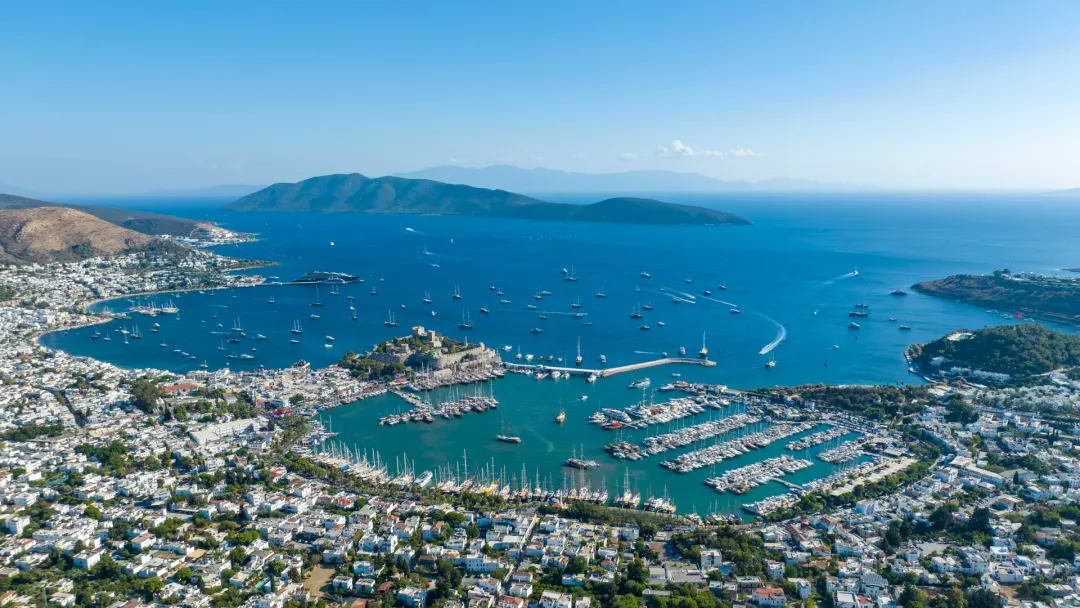
When people say “Bodrum” they often mean two things: the town itself, wrapped around two bays on either side of the castle, and the whole peninsula, with villages such as Gümbet, Bitez, Ortakent, Turgutreis, Gümüşlük, Yalıkavak, Göltürkbükü and Torba. Each has a distinct character, so it is worth choosing your base carefully.
How to Get to Bodrum
By air
Milas–Bodrum Airport (BJV) is about 35 km from the town centre, usually 40–45 minutes by car or airport shuttle. In summer there are direct flights from many UK and German airports, plus frequent domestic flights from Istanbul. Dalaman Airport (DLM) is an alternative, especially if you are combining Bodrum with Göcek or Fethiye, but the drive is considerably longer.
By road
Bodrum is connected to the rest of Turkey by highway. Long-distance coaches arrive at the bus terminal in Torba, a short ride from the town centre, and within the peninsula the local dolmuş (shared minibus) network links the town with almost every village.
By sea
Bodrum has passenger ferry and fast-boat connections with Kos in Greece, running daily in summer (see our Kos island guide). A car ferry also crosses the Gulf of Gökova to the Datça peninsula in about 1 hour 45 minutes, with more sailings in summer. Bodrum's marinas, in the town itself, at Yalıkavak and at Turgutreis, welcome visiting yachts and are where most charters begin.
Things to Do in Bodrum
Bodrum Castle and the Museum of Underwater Archaeology
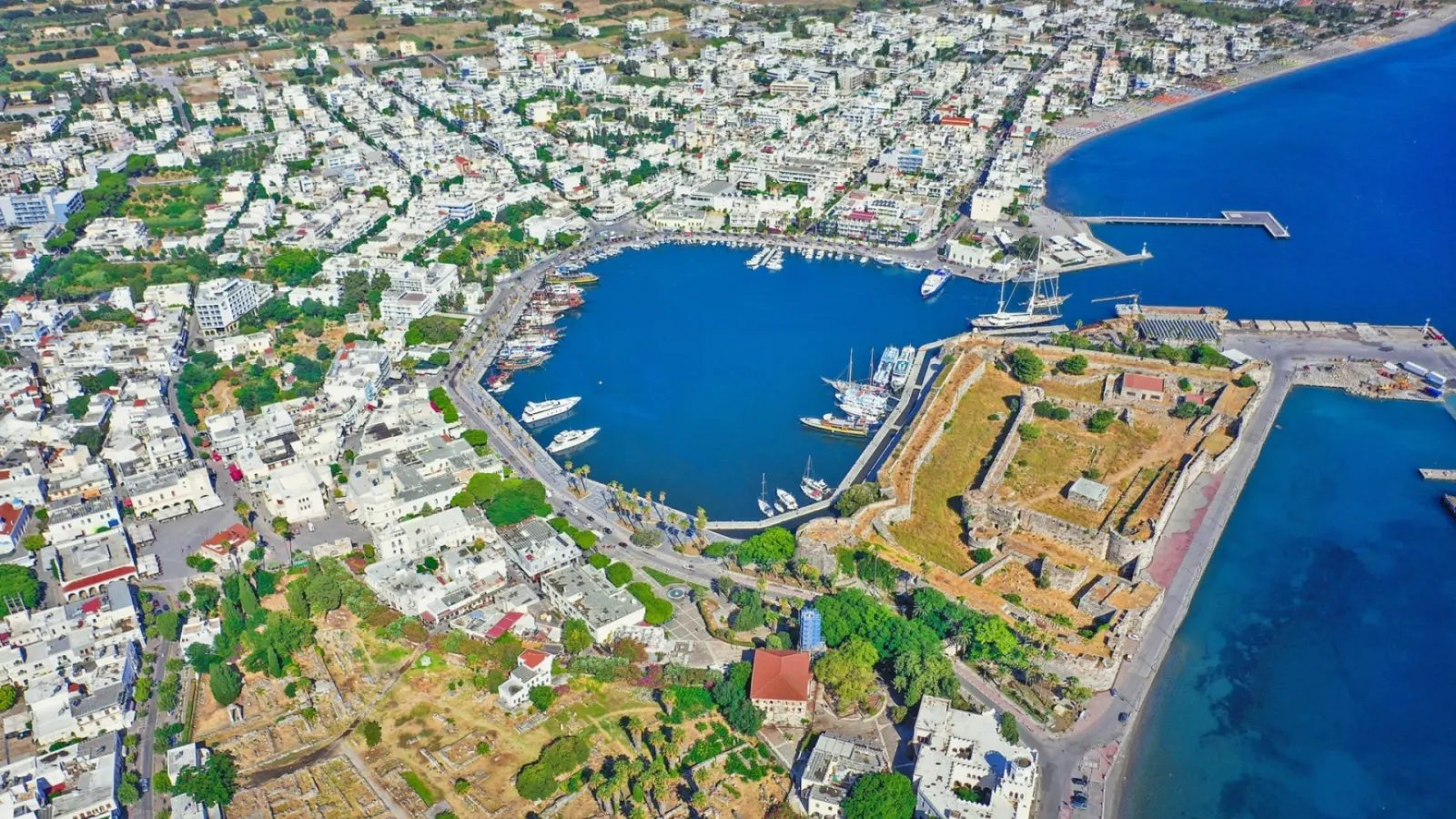
The Castle of St Peter dominates the harbour. It was built by the Knights of St John (the Knights Hospitaller) from the early 15th century, partly with stones taken from the ruined Mausoleum. Inside is the Museum of Underwater Archaeology, one of the most important of its kind, with finds from ancient shipwrecks off the Turkish coast, including the Late Bronze Age Uluburun wreck. Allow at least two hours, and check opening times before you go.
The Mausoleum of Halicarnassus
The tomb of King Mausolus, built in the 4th century BC, was so famous that it gave the world the word “mausoleum” and was counted among the Seven Wonders of the Ancient World. Little remains in place today, as earthquakes and later builders took their toll, but the site in the town centre, with its foundations, scattered marble and small exhibition, helps you picture its scale.
Ancient theatre, Myndos Gate and the windmills
The ancient theatre of Halicarnassus sits on the hillside above town and looks straight down over the castle and the bay. On the western edge of town, the remains of the Myndos Gate mark one of the entrances of the ancient city walls. On the ridge between Bodrum and Gümbet, a row of old windmills gives one of the best viewpoints on the peninsula, especially at sunset.
The peninsula villages
- Gümbet: a busy beach resort right next to town, popular with younger visitors and known for nightlife.
- Bitez: a calmer bay with a long shoreline and steady afternoon breezes; a favourite spot for windsurfing.
- Ortakent–Yahşi: one of the longest beaches on the peninsula.
- Turgutreis: a lively town with a marina, a weekly market on Saturdays and wide sunset views towards the Greek islands.
- Gümüşlük: built on the site of ancient Myndos, with waterside fish restaurants and tiny Rabbit Island just offshore. Its protected status keeps it low-rise.
- Yalıkavak: home to a large marina and a more upmarket scene, with sunsets over the Aegean.
- Göltürkbükü: on the north coast, known for stylish beach clubs on wooden piers.
Boat trips from Bodrum
Bodrum's harbour is lined with day-trip boats, and the classic route visits nearby swimming spots such as Orak Island, Black Island (Kara Ada) with its warm-water cave, and Aquarium Bay. We cover these in detail in our guides to Orak Island, Aquarium Bay and our Bodrum boat trip guide. For a single day on the water, see our daily boat tours from Bodrum.
Bodrum and the Blue Voyage
The idea of a slow cruise along the Turkish coast on a wooden boat was born in Bodrum. In the mid-20th century, the writer Cevat Şakir Kabaağaçlı, known as “the Fisherman of Halicarnassus”, took friends, artists and intellectuals on trips along the coast of the Gulf of Gökova. The writer Azra Erhat described these journeys in her 1962 book Mavi Yolculuk (“Blue Voyage”), and the name stuck. You can read more in our article on what a Blue Voyage is, or see our Blue Voyage routes from Bodrum.
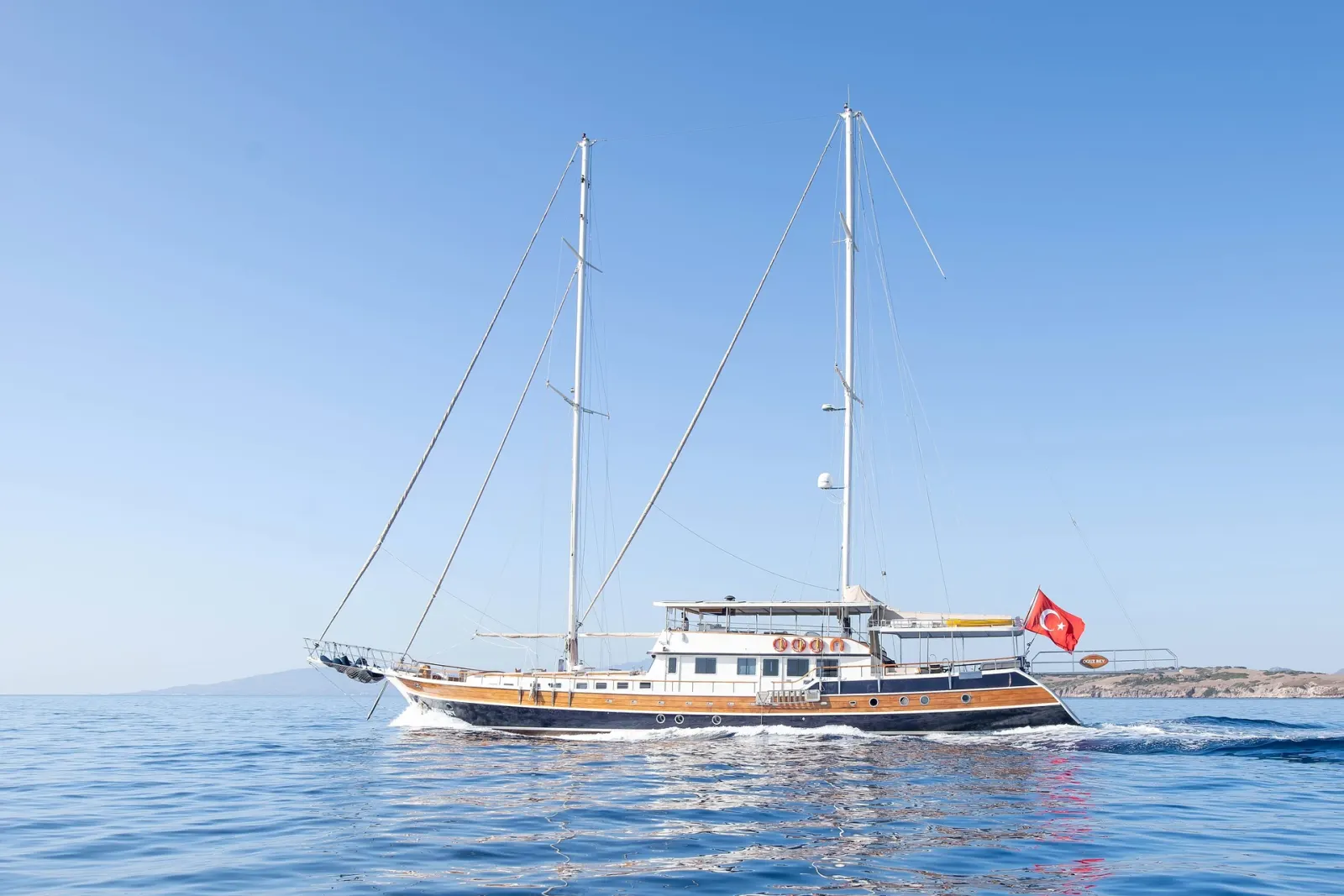
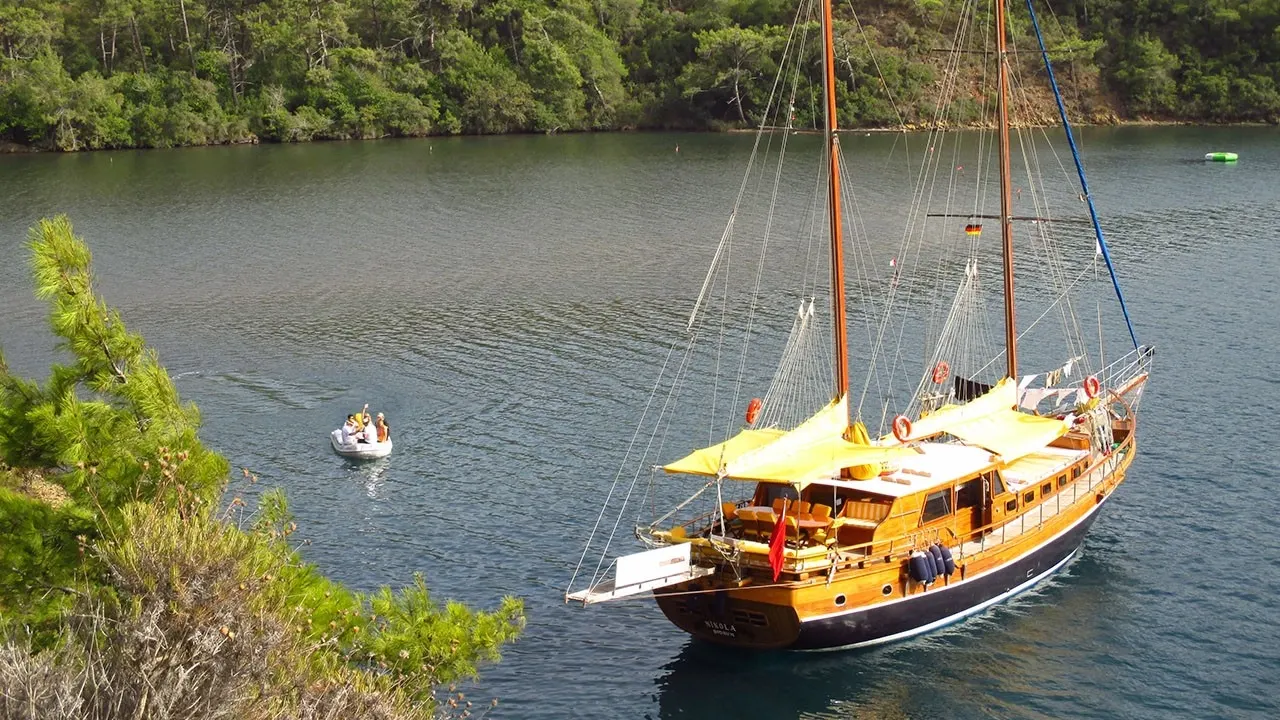
Bodrum also has a long boat-building tradition, and the traditional Turkish gulet, broad-beamed, wooden and built for comfort at anchor, is closely associated with the shipyards of Bodrum and the surrounding coast.
Where Gulets Anchor Around Bodrum
From Bodrum, most week-long cruises head south-east into the Gulf of Gökova, one of the most sheltered sailing areas on the Turkish coast. Pine-covered hills come down to the water, and there are no big resorts along much of its shoreline. Typical stops include:
- Orak Island: close to Bodrum, famous for its clear, turquoise water.
- Çökertme: a small village bay with a calm evening atmosphere (guide).
- English Harbour (İngiliz Limanı): a deep, well-protected inlet (guide).
- Sedir Island (Cleopatra Island): known for its unusual fine, pale beach and the ruins of ancient Kedrai. The beach is protected, so visits are controlled and taking sand is strictly forbidden.
- The far end of the gulf: quiet coves near Longoz, Karacasöğüt and Tuzla, often visited at the turning point of a week's route.
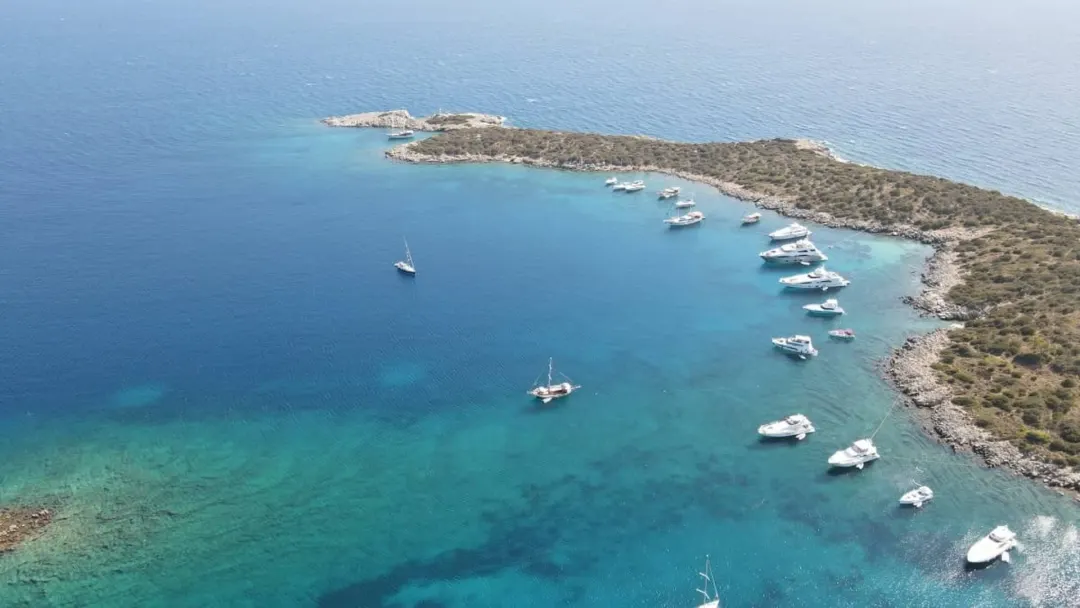
North and west, the peninsula coast is more exposed to the summer wind, but it offers the sunset bays of Gümüşlük and Yalıkavak. And a short crossing to the south-west takes you to Kos and the Dodecanese for a two-country cruise.
When to Visit Bodrum
The season runs from May to October:
- May and June: warm days, fresher evenings, green hills and quieter bays. The sea warms up through June.
- July and August: the hottest and busiest months. Expect crowds on the peninsula and in the harbour, and stronger afternoon winds (the meltemi), especially on the exposed west and north coasts. The Gulf of Gökova stays more sheltered, particularly in the mornings.
- September and October: the sea is at its warmest, the crowds thin out and many regulars consider this the best time to sail. Daylight gets shorter in October and some beach businesses start to close towards the end of the month.
For a deeper look at the best months specifically for a yacht charter, see our Bodrum yacht charter season guide.
Practical Tips for Bodrum
- Choosing a base: stay in the town if you want restaurants and evenings on foot; pick Bitez or Ortakent for calmer beaches; choose Yalıkavak, Göltürkbükü or Gümüşlük for a quieter, more upmarket or more village-like feel.
- Getting around: the dolmuş network is cheap and frequent in summer; taxis are easy to find but agree the route first. Traffic on the peninsula can be heavy in August.
- Currency: Turkish lira. Cards are widely accepted in town, but carry some cash for dolmuş rides and small shops.
- Heat and sun: in July and August, plan sightseeing for the morning and late afternoon.
Discover Bodrum from the Water
Bodrum is beautiful from the shore, but it truly makes sense from the deck of a gulet: breakfast in a cove in Gökova, a swim stop at Orak Island, an evening walk along the harbour beneath the castle. Barbaros Yachting is based in Bodrum and runs private and cabin charters from here into the Gulf of Gökova and across to the Greek islands. Browse our gulet charter in Bodrum fleet or our yacht charter in Bodrum options and tell us how you would like to spend your week.
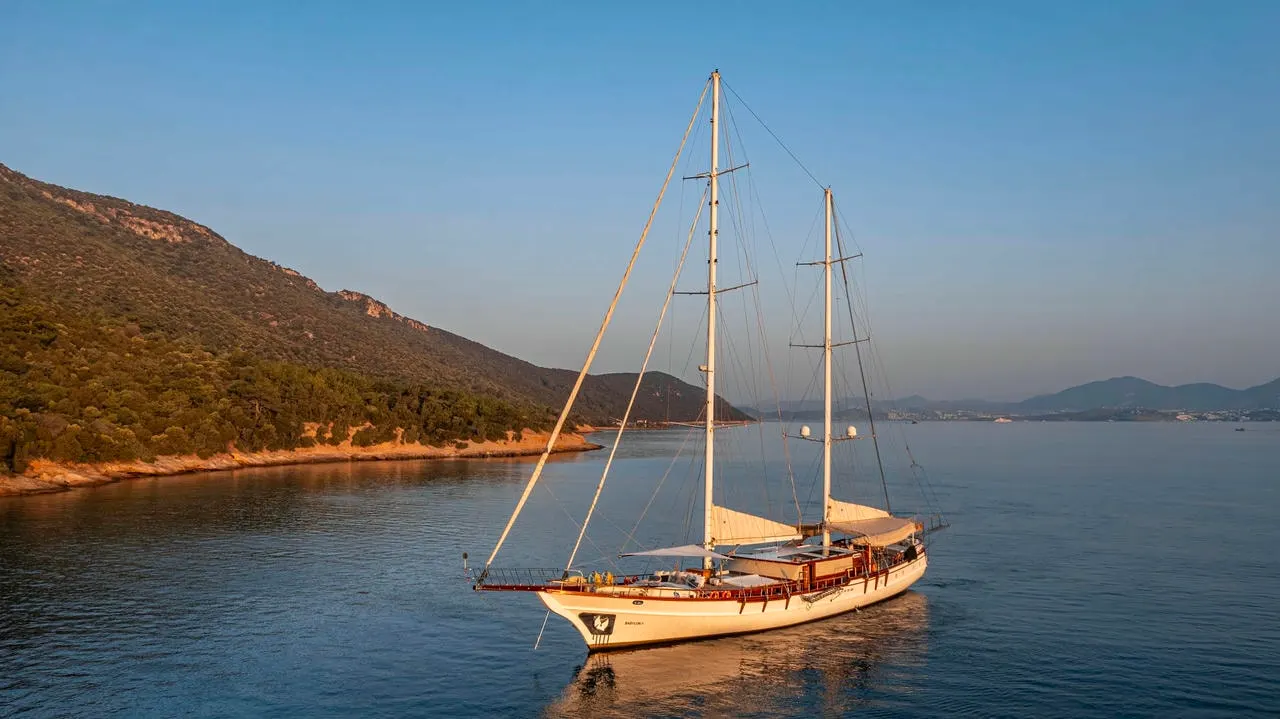
Gulets based here include the 41-metre Babylon. Boats based in Bodrum also start from Göcek, Fethiye and Marmaris when the schedule allows, so Bodrum does not have to be both your first and last port. For more on chartering here, see our yacht charter guide to Bodrum.
Frequently Asked Questions
Where is Bodrum in Turkey? Bodrum is in Muğla province, on Turkey's south-western Aegean coast. The town sits on the southern shore of the Bodrum peninsula, between the Gulf of Gökova and the Gulf of Güllük, opposite the Greek island of Kos.
What is the closest airport to Bodrum? Milas–Bodrum Airport (BJV), about 35 km from the town centre, usually 40–45 minutes by car or airport shuttle. Dalaman Airport (DLM) is an alternative but further away.
What is Bodrum famous for? Its castle and Museum of Underwater Archaeology, the remains of the Mausoleum of Halicarnassus, its white-washed harbour town, lively peninsula villages, and as the birthplace of the Turkish Blue Voyage and the traditional gulet.
When is the best time to visit Bodrum? May, June, September and October offer warm weather with fewer crowds. July and August are the hottest and busiest months. For sailing, September is often considered the best balance of warm sea and calmer conditions.
Can you go to Greece from Bodrum? Yes. Ferries run to Kos in summer, and on a private yacht charter you can cross to Kos and other Dodecanese islands, with the crew handling passports and port clearance.