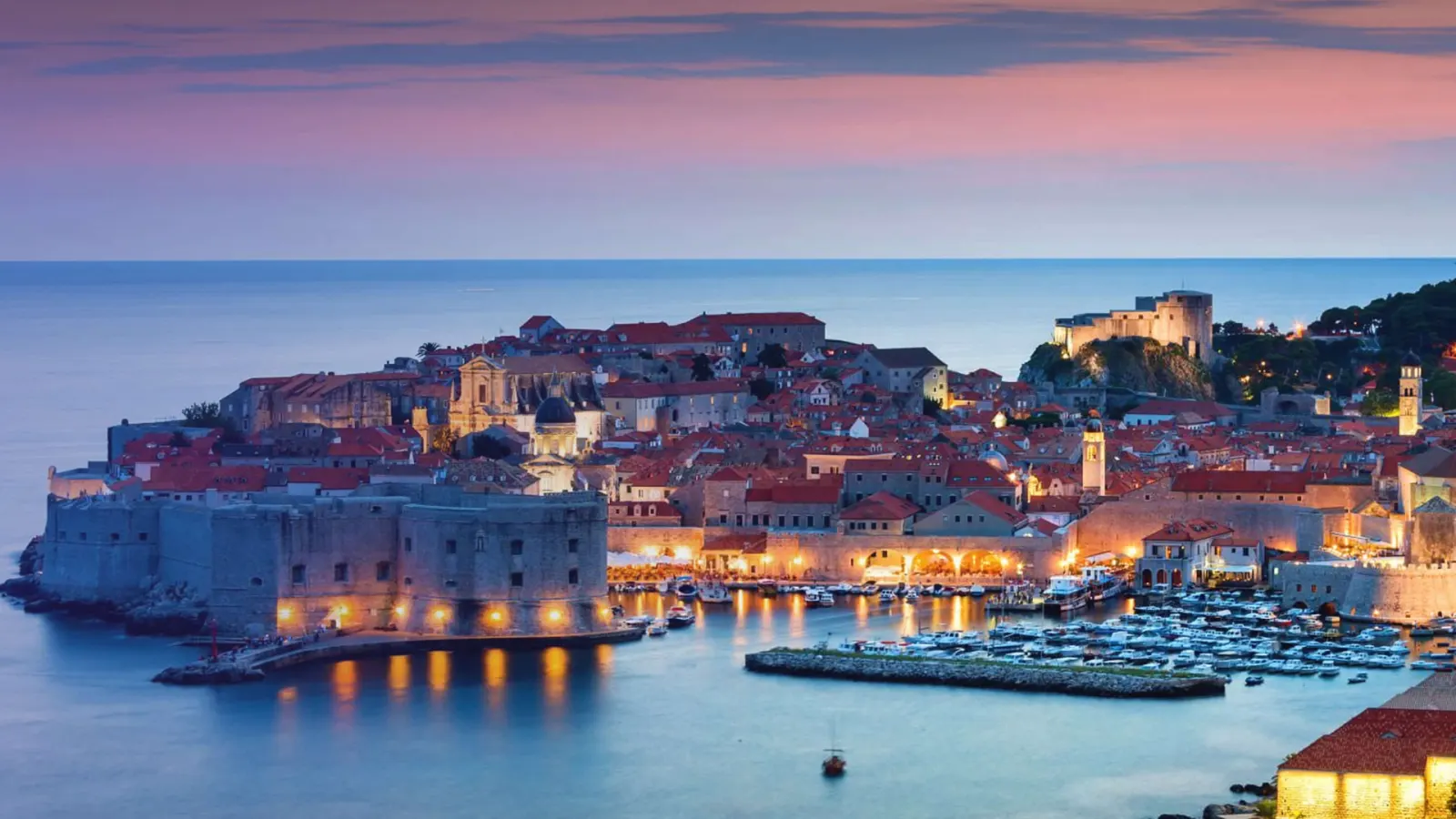
Turkish Islands Most Travelers Never See: Yacht-Access Bays Worth the Journey
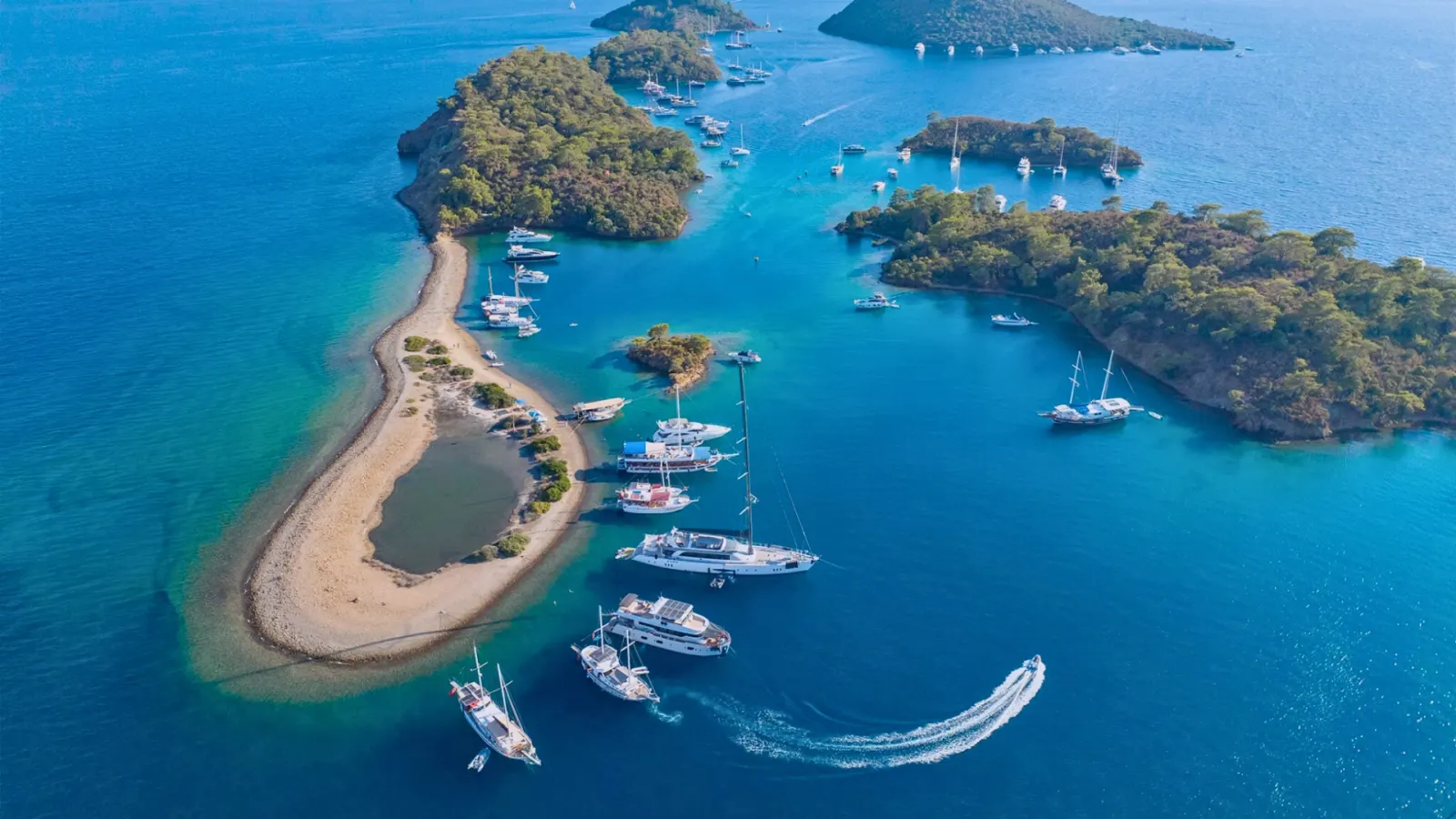
The best Turkish islands aren't the ones you'll find in typical travel guides. Dozens of hidden bays and islands remain untouched along Turkey's southern Aegean coast. You can reach them only by yacht. The Gulf of Fethiye alone is home to 12 islands and countless coves. Many are available only by boat. These secluded spots offer something the crowded Mediterranean resorts can't: translucent waters and ancient ruins without the crowds.
Sailing Turkish islands along the Turkish Aegean reveals a different side of the Mediterranean. The best Turkish islands to visit like Gemiler and Kekova, along with lesser-known anchorages, make these Turkish islands in the Mediterranean worth the experience. I'll show you how to plan your own yacht adventure.
Why These Turkish Aegean Islands Remain Untouched
Special protection status keeps most Turkish Aegean islands pristine in ways standard tourism regulations never could. The islands of Göcek sit within a designated special protection area (SİT) where any construction or private initiative that could damage the environment is prohibited. This creates a natural filter that allows only visitors willing to arrive by yacht.
Access Restrictions Create Exclusivity
Many stunning beaches along the Turkish coast can be reached only by boat, owing to their challenging geographical locations. Yachts entering or leaving Turkey must make their entry or departure only at designated customs entry and exit points, and they must get a transit log. This transit log costs around 150 Euros, always depending on your yacht's registered gross tonnage.
The paperwork alone discourages casual visitors. You must report every movement of your vessel and get authorization from the relative authorities. This bureaucracy might frustrate some sailors, but it serves a purpose. The best Turkish islands to visit stay less crowded because reaching them requires commitment and proper documentation.
Limited Infrastructure Preserves Natural Beauty
The Göcek Bay showcases what happens with restricted development. The bay has exceptional beaches, pine and olive trees, and a small lake. No hotels line these shores. No restaurants with plastic chairs crowd the waterfront. The Yassıcalar Islands, part of this protection zone, remain open to the public but only via yacht.
Construction prohibitions mean sailing Turkish islands offers experiences that haven't changed much in decades. You'll anchor in bays where the only structures are ancient ruins, not modern resorts.
Geographic Protection from Crowds
Geography itself guards these Turkish islands in the Mediterranean. Deep blue waters are encircled by lush forests and create natural barriers that make land access almost impossible. A few adventurous souls might venture to reach these shores by canoe or through a lengthy trek and camp within these pristine havens.
The terrain acts as a second layer of protection. Steep cliffs and rocky coastlines mean that even if someone wanted to build roads to these locations, the cost would be prohibitive. The challenging landscape makes sure these best Turkish islands remain the domain of sailors who understand the value of places worth the effort to reach.
Best Turkish Islands Accessible Only by Yacht
Sailing the Turkish coast reveals islands that blend millennia of history with natural beauty. Each anchorage tells a different story, from Byzantine pilgrimage sites to submerged Lycian cities.
Islands with Ancient Ruins and History
Gemiler Island holds the ruins of four Byzantine churches built between the 5th and 6th centuries, believed to house St. Nicholas's original tomb. South of Fethiye, this island was a stop on the pilgrimage route from Constantinople to Jerusalem. Nearby, Kekova showcases the sunken city of Dolchiste, where building foundations and staircases descend into the sea following a 2nd century earthquake. At the Datça Peninsula's tip, Knidos features twin harbors and a well-preserved amphitheater with the Temple of Aphrodite. Sedir Island has Cleopatra Beach, where sand was imported from North Africa, alongside ruins of ancient Kedrai dating to the sixth century BCE.
Islands Perfect for Swimming and Snorkeling
Snake and Mouse Islands near Kalkan feature swim-through caves and dramatic rock corridors. You can access them only by boat. Orak Island east of Bodrum has clear waters for diving. The Yedi Adalari, or Seven Islands, are uninhabited islets that provide pristine swimming with pine-clad slopes as backdrop. Hamam Bay in Göcek houses submerged Roman bathhouse ruins where you can snorkel among ancient stones.
Islands with Traditional Turkish Dining
Dirsek Bükü is a boat-only inlet with a lone taverna that serves calamari, homemade bread and fresh fish. Fenerci, overlooking Rabbit Island, has served local seafood since 1979. Kapi Creek features a restaurant accessible only by boat.
Remote Islands for Complete Seclusion
The Yedi Adalari remain uninhabited and provide isolation among hundreds of secluded bays. Tersane Island, though popular during day trips, transforms into a peaceful retreat after hours with its Greek settlement ruins.
Planning Your Journey to Sailing Turkish Islands
Best Time to Sail the Turkish Coast
Turkey's sailing season runs from April through October, with conditions varying throughout. May and June deliver warm temperatures, clear skies, and good winds without overwhelming heat. September stands out as the sweet spot for experienced sailors. The sea retains August's warmth while air temperatures cool down, and crowds thin out. July and August bring the hottest conditions, with temperatures reaching 35°C. These months also see the busiest anchorages and highest charter rates.
Shoulder months (May, June, September, and October) offer calmer crowds, fair rates, and excellent weather. Some areas feel crowded in July and August but ideal during these periods. Water temperatures warm enough for swimming by May, while September maintains hot conditions with dropping prices.
Choosing Your Base: Fethiye, Göcek, or Bodrum
Göcek ranks as the easiest base to first-timers, with protected waters and 12 islands perfect to beginners. The region's 'Bebek Denizi' (Baby Sea) nickname reflects its calm conditions. Fethiye provides strong access to Lycian heritage and archeological sites. Bodrum offers resilient infrastructure and nightlife but presents moderate sailing difficulty. All three bases connect via Dalaman Airport, with Göcek just 25km away.
What to Pack for Island Hopping
Pack one soft bag per person maximum. Hard suitcases create storage nightmares on boats. Bring at least two swimsuits so one can dry. Quick-dry clothing works best since you'll be damp from swimming, spray, or sweat. A lightweight rain jacket protects against squalls. Non-marking deck shoes provide grip on wet surfaces.
Navigation Tips for First-Time Sailors
Plan maximum 2-3 hours of sailing daily. Overambitious itineraries lead to exhausting motoring rather than relaxation. Check weather forecasts twice daily and respect wind predictions. A skipper costs €150-250 per day to hire. Think about booking a skipper to the first 2-3 days only, then deciding whether to continue solo.
What Makes These Turkish Islands in the Mediterranean Worth Visiting
Arriving at these best turkish islands to visit reveals qualities that explain their magnetic pull on sailors who return year after year.
Crystal Clear Waters You Won't Find Elsewhere
Limestone geology filters the water naturally along the Turkish Aegean islands and produces the famous turquoise color. You can see the seabed at depths of 20 meters or more. This clarity makes every swim feel like floating in liquid glass. Schools of fish remain visible far below your fins.
Fresh Seafood at Waterfront Tavernas
Traditional tavernas dot the available anchorages and serve platters of fresh fish with crisp salads, olives, stuffed vine leaves and sweet figs. Gümüşcafé Fish Restaurant positions tables steps from the bay. Diners watch Rabbit Island's ancient ruins while tasting local catch. These waterfront spots source turbot, gilt-head bream and mackerel from nearby waters.
Ancient History at Every Anchorage
An anchorage found off Fethiye shows uninterrupted maritime traffic from the Bronze Age to the Ottoman period. Anchors lying on the seabed reveal how thousands of years of ships stopped here while navigating trade routes that connected Egypt, the Levant and southern Anatolia. Three shipwrecks found in the area likely sank during sudden eastern storms.
Pine Forests Meeting the Sea
Pine-covered hillsides descend to secluded coves throughout sailing turkish islands. This meeting of green mountains and blue water creates dramatic contrasts you won't find in many other Mediterranean locations.
Conclusion
These yacht-accessible Turkish islands offer experiences that crowded Mediterranean resorts can't match. The combination of crystal-clear waters and ancient ruins makes the trip worthwhile. The planning might seem challenging at first, but the rewards outweigh the effort. You can charter during the quiet shoulder months or hire a skipper for your first voyage. These hidden bays will show you a side of Turkey most travelers never find.
_1600.webp?alt=media)
_1600.webp?alt=media)